MetaCert is currently in stealth mode. Here's a little information on what we're working on.
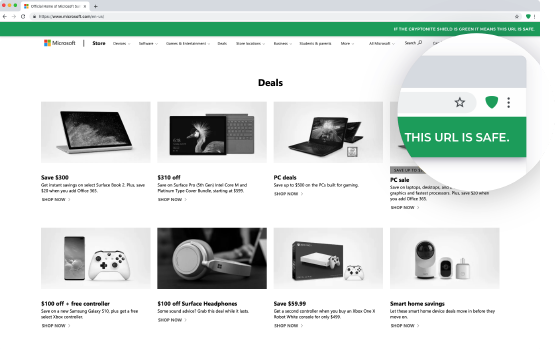
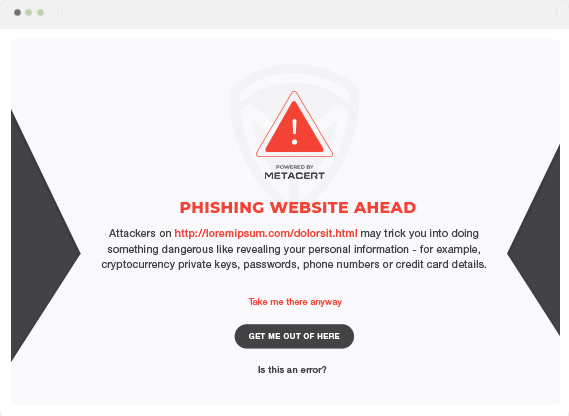
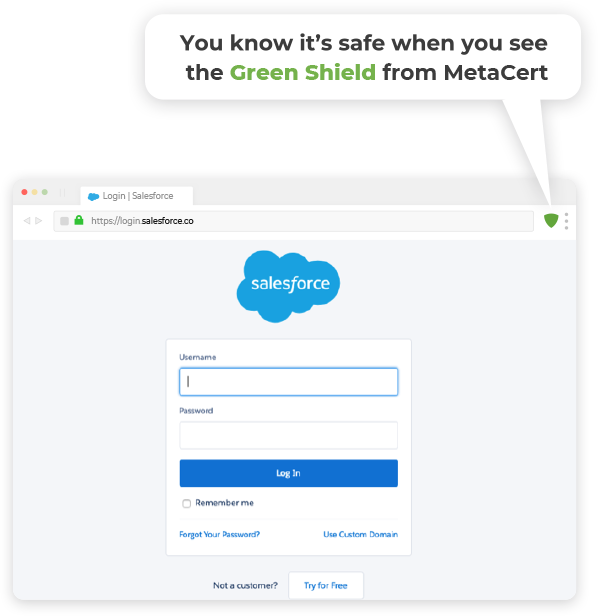
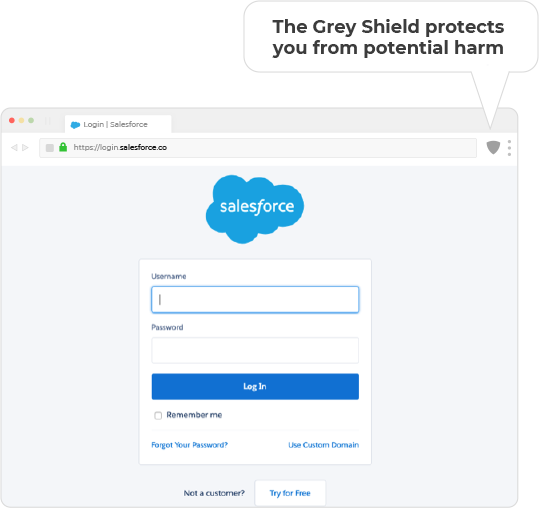
MetaCert is addressing the need to expose more information about trust in search results, to help users make a more informed decision about which Web sites are suitable, reliable and trustworthy.
The problem
In an interview with the BBC:
The Internet is a forum for spam, phishing, identity theft and fraud, with software being offered for sale to combat these issues.
Today, SSL Certificates and Trustmarks are provided by companies such as VeriSign, GeoTrust and TRUSTe to help identify secure and safe Web sites for credit card transactions and privacy for millions of Web sites. However, they have limited benefit because one has to visit the site in order to discover if it is a 'trusted site' - too late!
Furthermore, SSL Certificates and PICS, the old W3C standard adopted by MSIE for filtering content, only permits site owners to make assertions about an entire domain.
What MetaCert are working on?
Following more than 3 years of hard labour under the radar, our technology became a W3C Full Recommendation in November 2009, formally replacing PICS in December.
How?
As far back as 2006 the MetaCert team of engineers started work on a new method of classifying content to help protect users on the Web from inappropriate content. Our Semantic technology exposes trustworthiness in search results - before users even visit a website!
Who?
Paul Walsh (LinkedIn, Blog, Twitter), Angus Bankes (LinkedIn), Carl Taylor (LinkedIn), Geir Rasmussen (LinkedIn), Sheetal Mehta (LinkedIn), Tiffany St. James (LinkedIn,Twitter), Dave Birss (LinkedIn,Twitter)